Abstract
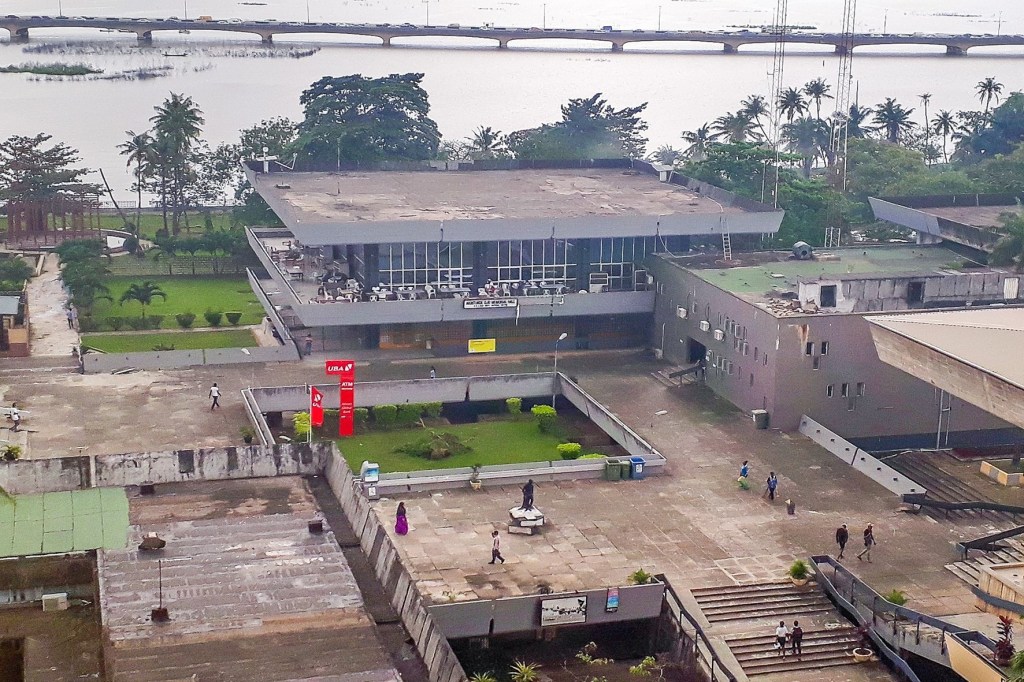
The newly independent nation of Nigeria required a new architecture, and its universities were to be model expressions of its national identity. Who designed these campuses and what kind of architecture was deemed suitable and ultimately built? Modernist masters Fry and Drew designed the University of Ibadan in the 1950s – but many others were designed a decade after by expatriate and local architectural practices. This paper explores architects’ response to the challenge of building the idealised Nigerian universities. This was amid the peculiarities of a young state with multiple ethnic and religious identities, a significant reliance on foreign aid, and varying university motivations. It also looks at how well the finished campus designs matched the nation building agenda. Government archives, the universities’ publications, architects’ collections, and architectural journals from the 1950s were examined. This paper will contribute to research on modern architecture and nation-building in 20th century West Africa, by demonstrating that despite the varied intents and outcomes of numerous development initiatives, vestiges of the aspirations for nation building were reflected in Nigeria’s early university buildings.
Read the full article here.
This article was written for the 5th Alvar Aalto Researchers’ Network Seminar titled ‘Whose Modernism?‘


 Musing on Architecture
Leave a comment